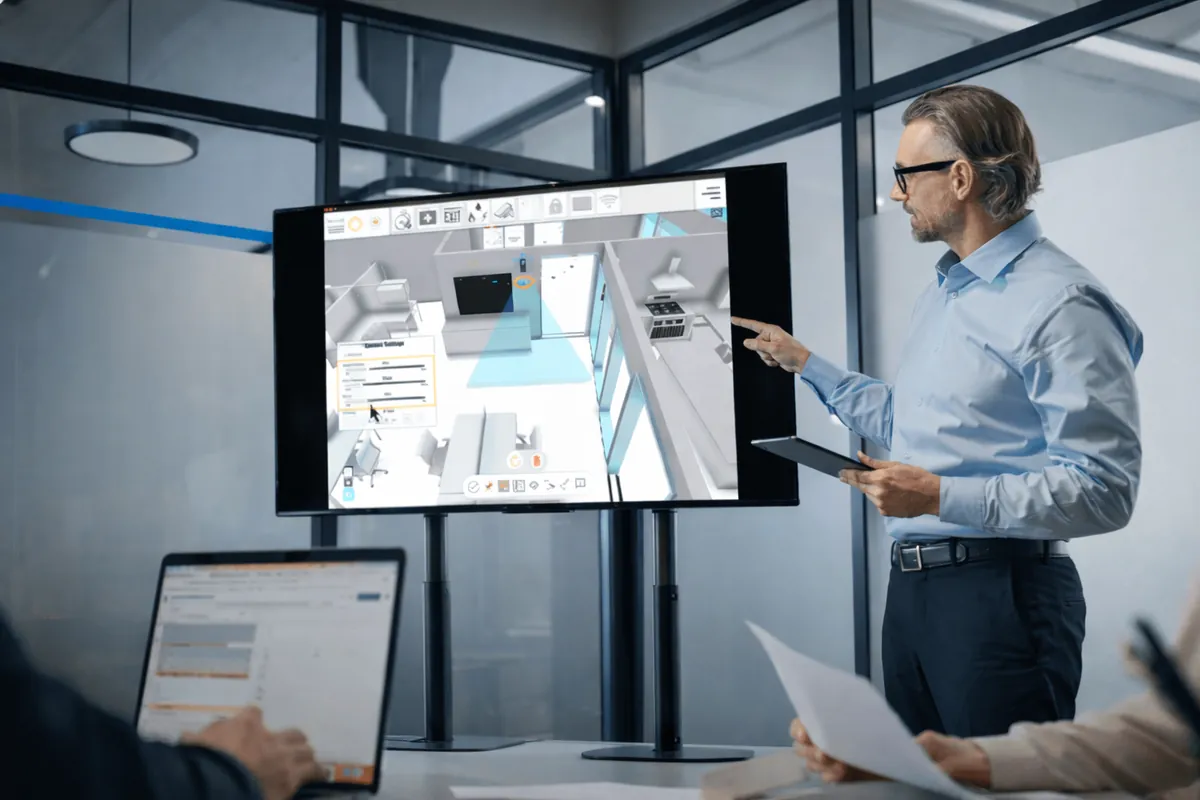

The challenge
When a leading national construction contractor took on facility management responsibilities for a portfolio of 40+ active buildings, they quickly discovered the same problem that faces most large operators: building data lived in silos. Floor plans were in one system. Safety records in another. Maintenance logs in a third. And nobody could see the full picture.
The result was predictable — and costly. Teams spent hours each week searching for information that should have been at their fingertips. Safety incidents took longer to resolve because responders couldn't quickly identify where critical systems were located. Compliance audits became major events requiring days of preparation.
The approach
The contractor approached CoreSpec 3D looking for a single source of truth — a platform that could bring all their building data together in one place and make it accessible to every team member who needed it, without requiring specialist training.
After evaluating several options, they chose CoreSpec 3D's Tier 2 (Upload) model: the contractor would supply their existing drawings, and the CoreSpec team would handle the integration and build out the digital reference.
Implementation
The implementation process began with a data audit — identifying all existing sources of building information and determining the best way to bring them into the CoreSpec 3D platform. The contractor's team uploaded floor plans, mechanical drawings, electrical schematics, and compliance documentation.
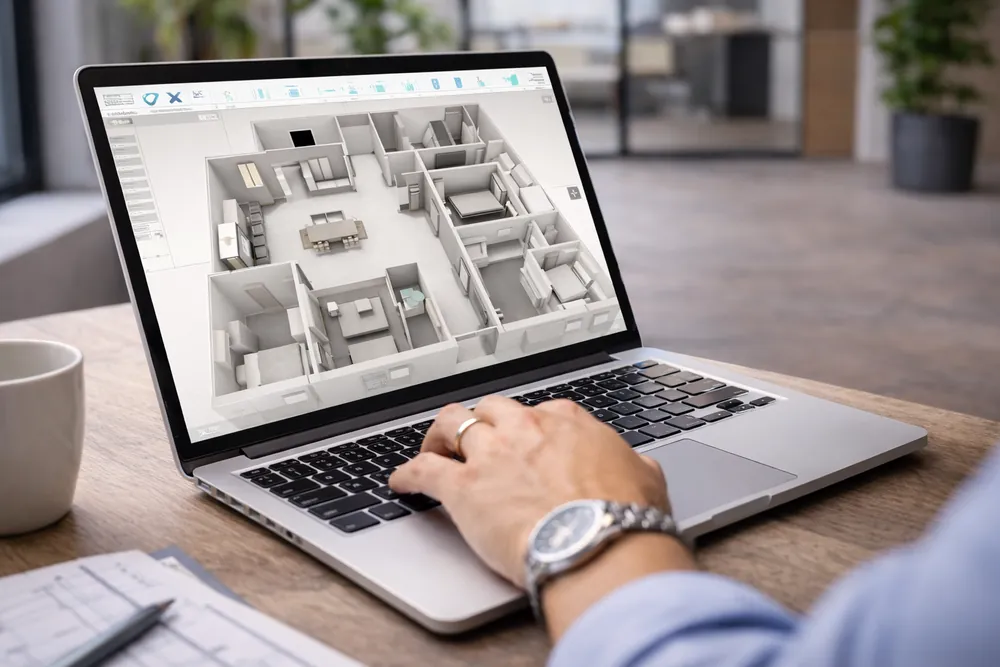
Within three weeks, the first buildings were live on the platform. Within eight weeks, the full portfolio of 40+ buildings was accessible through a single interface — with every team member able to navigate the 3D reference on their first try.
Results
The impact was measurable within the first quarter of deployment.
Faster incident response
Safety incident response time dropped by 47%. When an issue arose, responders could immediately locate the relevant systems, access maintenance history, and understand the building context — without making calls or searching through folders.
Reduced compliance burden
The next compliance audit took two days of preparation instead of the usual nine. All documentation was centralized, up to date, and instantly accessible. The auditing team noted it was the smoothest review they had conducted with this contractor.
Hours saved every week
Across the facilities management team, an average of six hours per person per week previously spent searching for building information was recovered. That time is now spent on planned maintenance and proactive improvement.
"We knew our data was fragmented but we didn't realize how much it was costing us until we saw what was possible with everything in one place. CoreSpec 3D paid for itself in the first month."
What they said
The facilities director described the transition as one of the most impactful technology decisions the company had made in the past decade — not because of the technology itself, but because of the clarity it created across every team.
Field teams, who had historically been resistant to new software, adopted the platform quickly because it was built around how they actually worked — not around how software developers thought they worked.
Next steps
Following the success of the initial deployment, the contractor is now expanding the programme to include newly acquired buildings as they come online. They are also exploring CoreSpec 3D's Tier 3 (Solutions) model to unlock deeper integrations with their existing project management and compliance systems.
The goal: a fully connected building intelligence platform that supports every stage of a building's lifecycle — from acquisition to operations to eventual transition.